Hybrid species [WORKSHOP]

NL
Wat vertelt een plant ons over territorium, identiteit en eigenheid? Ga mee in een immersieve beleving onder leiding van kunstenaar Matthijs De Block.
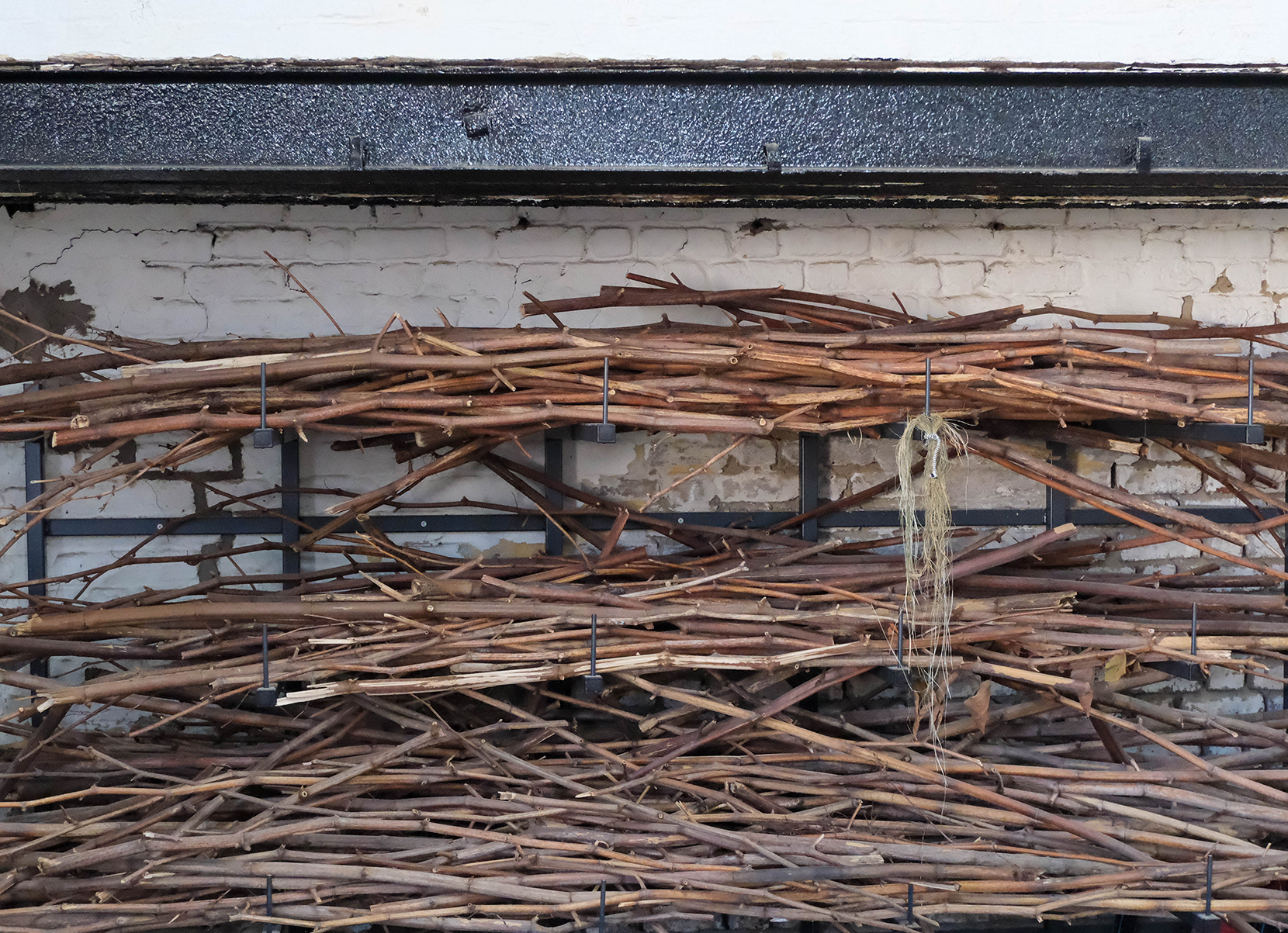 Centraal staat de Japanse duizendknoop, een niet-inheemse plant die zich in onze contreien steeds verder verspreidt. Je ontdekt de bijzondere eigenschappen van deze soort wanneer Marieke Maertens je meeneemt op verkenning in het biomaterialenlab van Timelab. Hier maak je kennis met 10 jaar werken met kunstenaars en ontwerpers in symbiose met deze plant.
Je leert vervolgens hoe processen als genoomduplicatie planten unieke kenmerken kunnen geven en hoe zij actieve medespelers worden in artistieke processen. Je past je gewonnen kennis toe als teksteditor in een schrijfworkshop met Wendy Wuyts, waarbij je leert schrijven vanuit het perspectief van de plant zelf.
Vanuit die kennismaking gaan we vervolgens in gesprek met filosoof Massimiliano Simons over bredere thema’s zoals co-existentie, verantwoordelijkheid, monoculturen en genetische modificatie. Het resultaat is een gecocreëerde reflectie over mens en meer dan mens.
EN
What can a plant tell us about territory, identity, and individuality? Join an immersive experience led by artist Matthijs De Block.
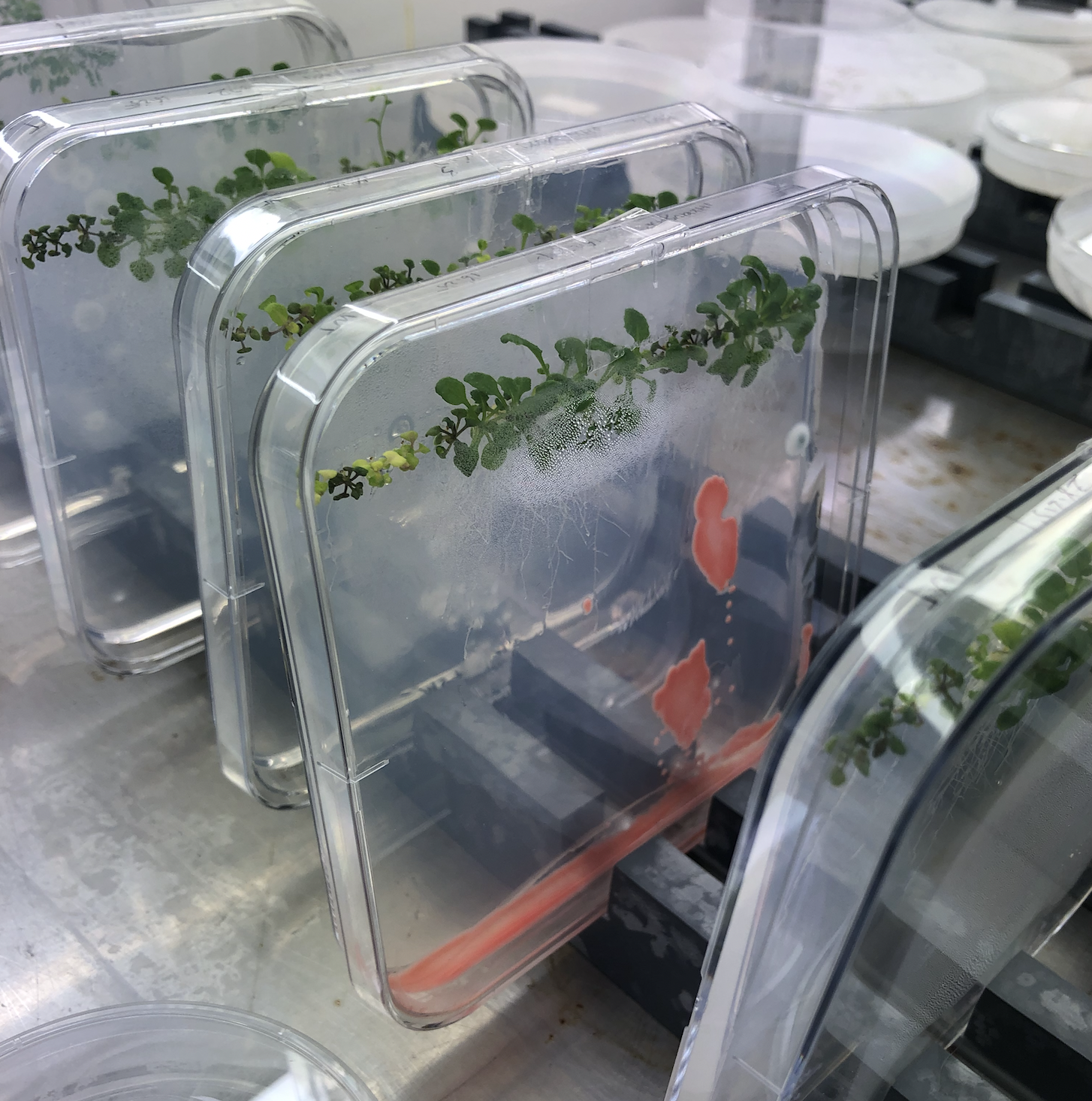 At the center is the Japanese knotweed, a non-native plant that is spreading increasingly throughout our regions. You will discover the unique properties of this species when Marieke Maertens takes you on an exploration of the Timelab biomaterials lab. Here, you will be introduced to 10 years of working with artists and designers in symbiosis with this plant.
You will then learn how processes such as genome duplication can give plants unique characteristics and how they become active collaborators in artistic processes. You will apply your newly gained knowledge as a text editor in a writing workshop with Wendy Wuyts, where you will learn to write from the perspective of the plant itself.
From this introduction, we will then enter into conversation with philosopher Massimiliano Simons about broader themes such as co-existence, responsibility, monocultures, and genetic modification. The result is a co-created reflection on humans and more-than-human life.
Practical
For whom
This workshop is suitable for artists, makers, thinkers, and curious participants with an interest in ecology, biotechnology, philosophy, and storytelling. Anyone with an open attitude and a willingness to experiment is welcome.
Prior knowledge
No specific prior knowledge is required. The workshop is accessible to participants without a scientific background. An interest in writing, social themes, and artistic research is sufficient.
Schedule
14:00 — Introduction and welcome
We begin with a short introduction to the project Entangled Genes by artist Matthijs De Block, within which this workshop takes place. You will meet the facilitators and the diverse interdisciplinary group of artists, entrepreneurs, and makers. In addition, you will receive an accessible first introduction to bio-art, genetic modification, and the central themes that will be addressed during the workshop.
14:15 — Inspiration session
Using a physical installation and Timelab’s research, we use knotweed as a lens to reflect on hybridity, migration, identity, territory, and our relationship with other life forms.
14:40 — Genomic writing technique: Discovery
Together, we explore and discuss stories about plant genetics and societal issues. You will receive an accessible introduction to genomic techniques and the genomic writing method.
15:20 — Genomic writing technique: Writing and editing
In this second hands-on segment, you will start transforming texts yourself through a writing method inspired by genomic techniques: deleting, duplicating, moving, mutating, and rewriting. In this way, new stories and unexpected perspectives emerge.
16:20 — Group exchange & ethical discussion
We will read excerpts aloud together and engage in discussion, guided by artist Matthijs De Block, philosopher Massimiliano Simons, and researcher Wendy Wuyts.
17:00 — Closing
You will leave the workshop with self-written texts and a head full of new ideas. Your contribution will also be included in a publication released as part of the Entangled Genes project by artist Matthijs De Block and partners Timelab, Gluon, VIB, and Maastricht University, supported by the Department of Culture, Youth and Media.
Materials
All materials are included.
What to bring
You do not need to bring anything, except clothing in which you can work and write comfortably. A notebook or laptop may be useful for those who prefer to take notes digitally or in detail.
Accessibility
If you have specific needs regarding accessibility, participation, or use of materials, you can get in touch via team@timelab.org.
Matthijs De Block
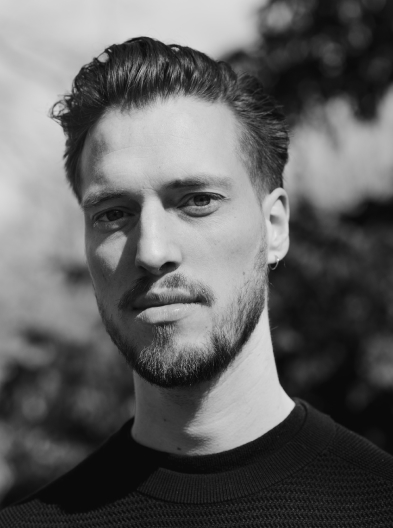
Matthijs De Block is a multidisciplinary artist whose work focuses on the artistic exploration of fundamental scientific research in biotechnology. His innovative approach strengthens his artistic practice and demonstrates how alternative and disruptive ways of experiencing art can generate meaningful societal impact.
Massimiliano Simons
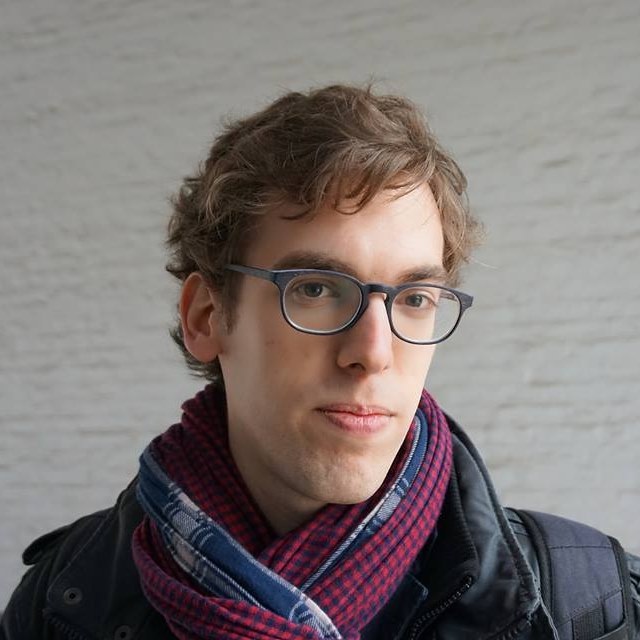 Massimiliano Simons is an assistant professor of philosophy of technology at Maastricht University. His research focuses primarily on philosophical questions about the role technology plays in new scientific disciplines, such as synthetic biology, robotics, and nanotechnology.
Wendy Wuyts
Wendy Wuyts previously worked for a large construction company in Norway and is the author of Als meubels konden spreken and Tussenland. Wendy is a geographer and forest bather, and has always had a love for the magic hidden in nature. She is currently appointed as a postdoctoral researcher in EcoCARE at Eindhoven University of Technology.
Marieke Maertens
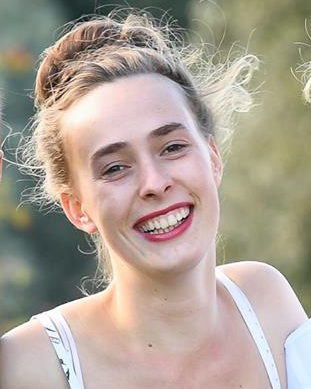
For years, Timelab has been reshaping the way we think about raw materials through the Critical Biomass project. In our biolab, we are building a new model for local, bio-based production, turning natural resources into biodegradable products and driving the transition to a more sustainable future.
This workshop is part of our Symbiotic Hospitality program
Wil je graag deelnemen aan dit programma, maar vormt de prijs een struikelblok?
Aarzel niet om contact op te nemen met team@timelab.org, dan bekijken we samen wat de mogelijkheden zijn.
Foto's
- Biolab Timelab
- Incubator room at the Flemish Institute of Biotechnology (VIB), research group Plant Systems Biotechnology, Matthijs De Block